

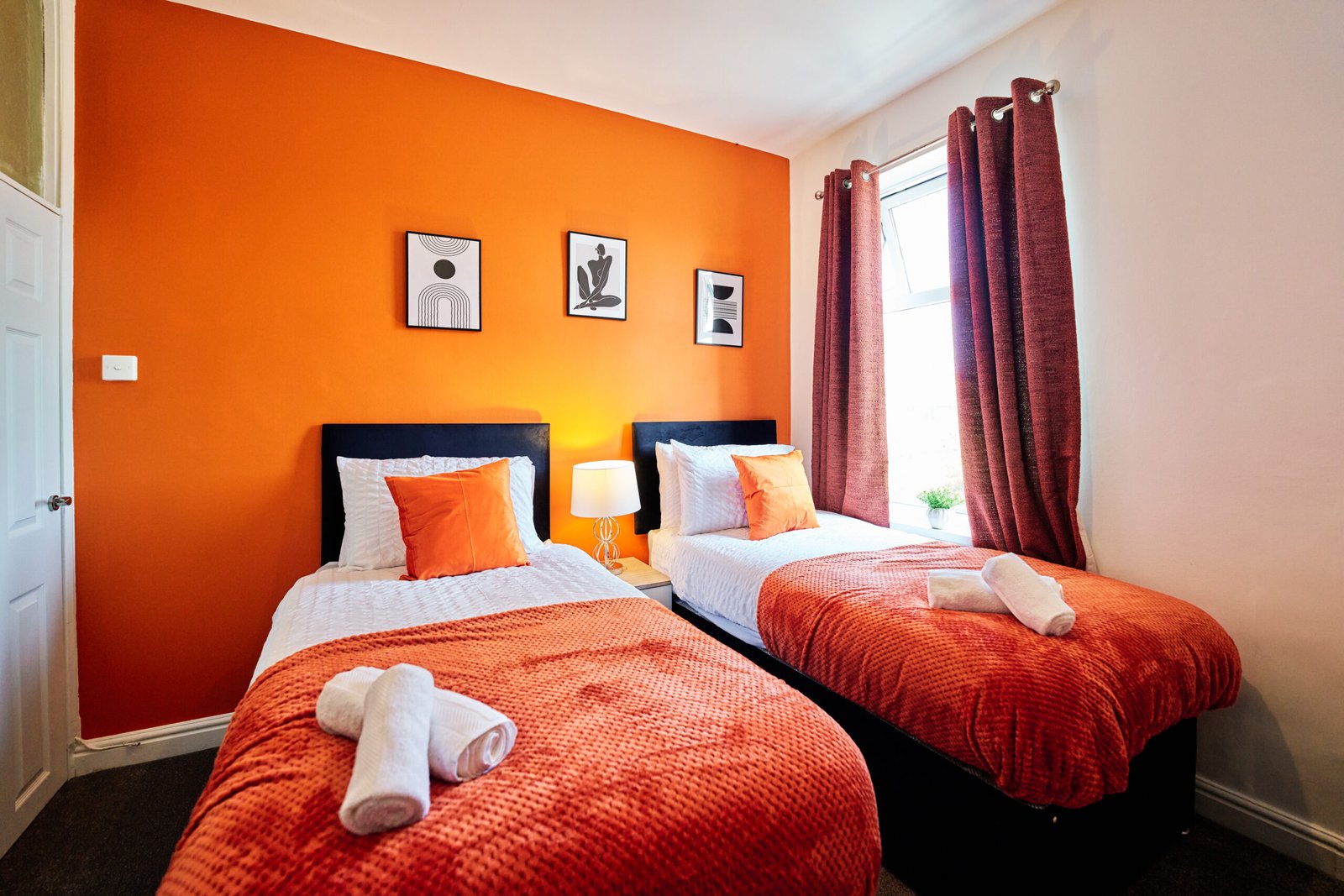
4 Bedroom property in Coventry
9 Guests

2 Bedroom property in Coventry
5 Guests
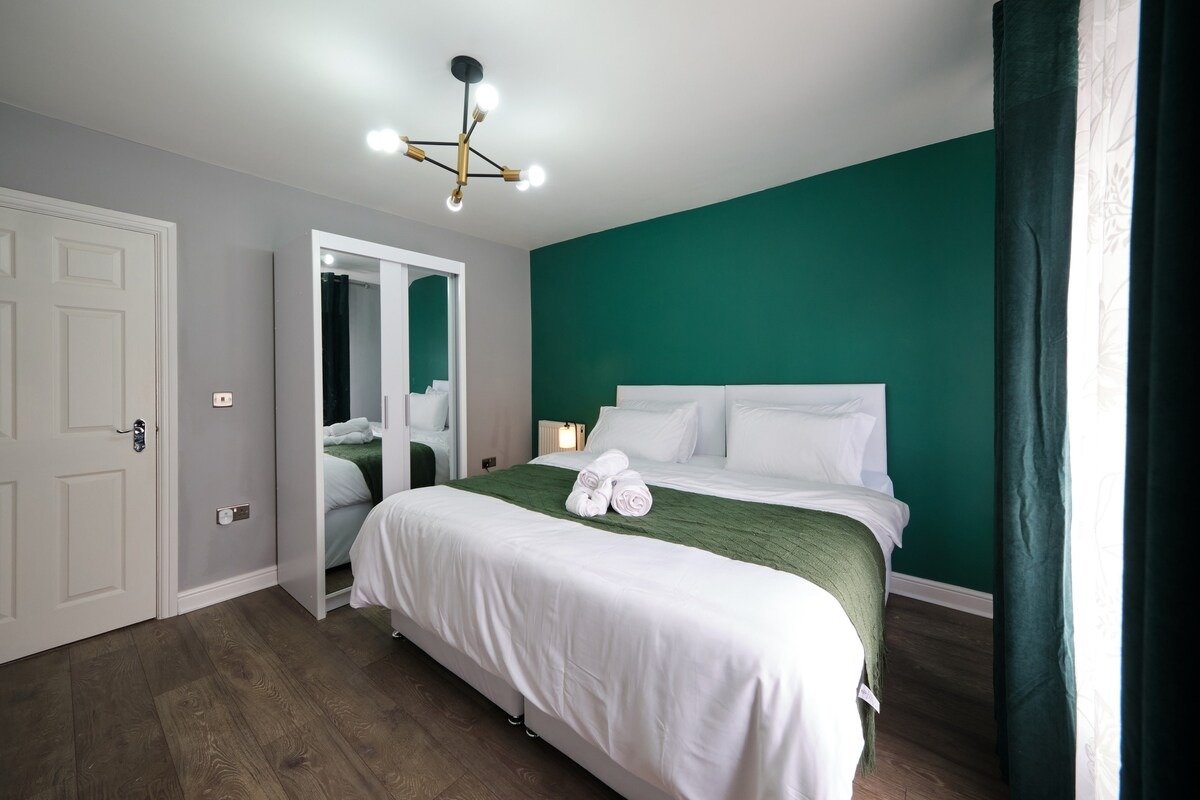
2 Bedroom property in Coventry
5 Guests
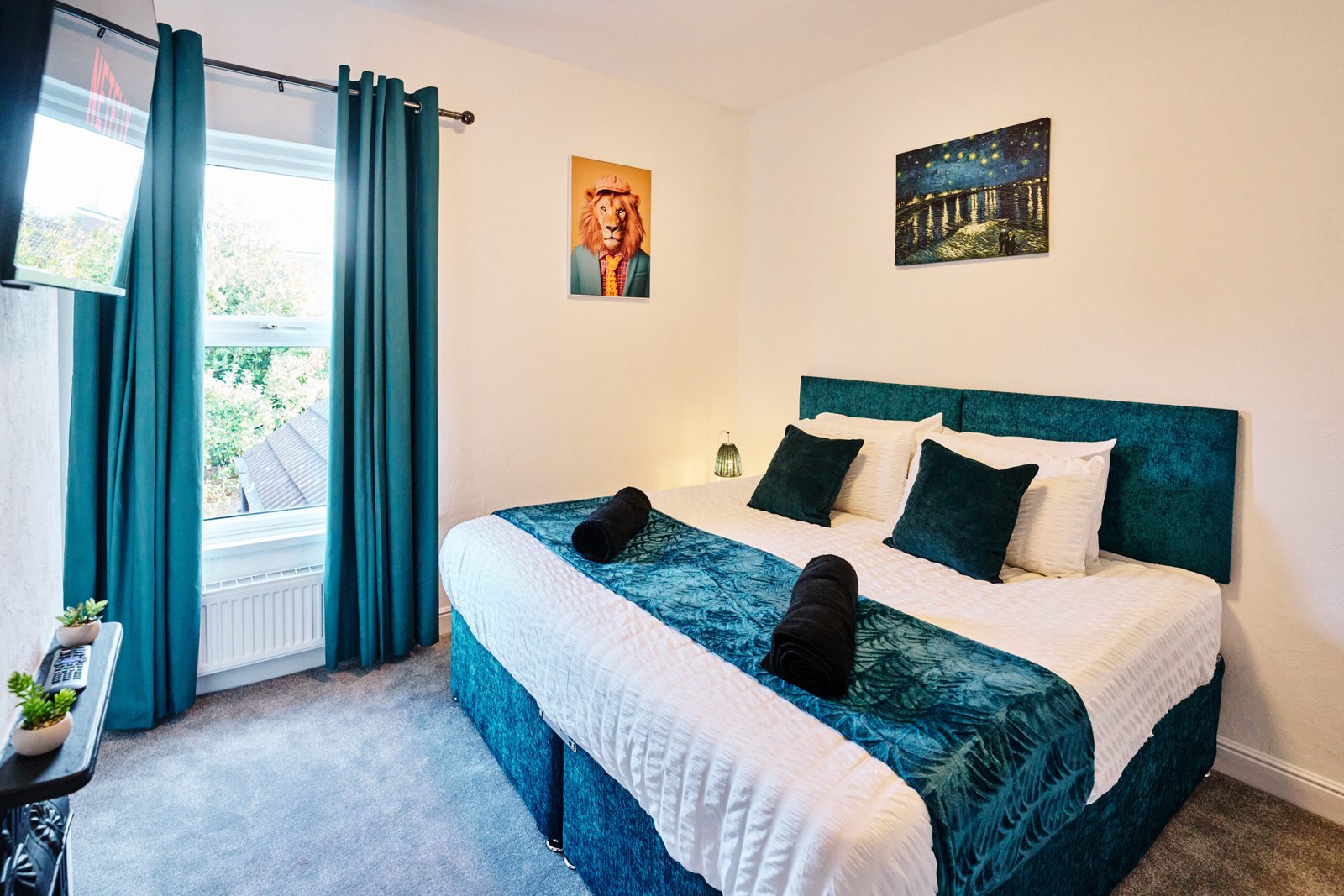
2 Bedroom property in Coventry
5 Guests
Blackjack stands as one of the rare casino offerings where skill can demonstrably shrink the house edge https://fish-casino.com/. At Fish Casino, UK players find a polished selection of blackjack tables that favor those who learn ideal strategy. Instead of trusting guesses, a systematic participant turns the game into a near-even contest against the dealer. This guide strips away the guesswork and provides each player with the accurate choice system required to extract maximum value from each hand dealt at Fish Casino. By internalising a mathematically sound basic strategy, a player diminishes the casino benefit to its smallest achievable gap, often below 0.5%. Every round becomes a trial of composure and precision rather than chance. The following sections will examine the specific rule sets available, the odds computations behind every correct move, and the practical measures for hard totals, soft hands, and pair splits. Bankroll management and the practical application of strategy across Fish Casino’s desktop and mobile platforms will receive equal scrutiny, ensuring that theory transforms into reliable play at the tables. Fish Casino offers an ideal environment to apply these techniques, thanks to equitable gaming rules and open guidelines.
Fish Casino’s blackjack lobby hosts a diverse array of types, each imprinting subtle rule modifications onto the strategic canvas. The flagship Classic edition typically imposes a dealer stand on soft seventeen and pays 3:2 on a blackjack, the non-negotiable foundation for any advantage-minded player. European variants present a no-hole-card rule that changes doubling and splitting decisions against dealer tens and aces. Atlantic City-style tables enrich the player’s toolkit with late surrender, a vital option that forfeits half the bet when defeat seems probable. Live dealer rooms, streamed in real time from professional studios, bring the human element of card handling and interaction. Every table at Fish Casino prominently shows its constitutional rules, including the number of decks in play and whether doubling after a split is allowed. The disciplined strategist sidesteps side bets such as 21+3 or Perfect Pairs, as these have a house edge several times higher than the main game. Selecting the correct table variant on the Fish Casino platform is the foundation to any effective strategy session, because a single unfavourable rule, such as a 6:5 blackjack payout, can unravel the most rigorous preparation.
Underlying each entry on a blackjack strategy chart lies a mountain of combinatorial mathematics. The game’s optimal playbook is not based on guesswork but a precise map derived from running billions of simulated hands. When a player is dealt a hard sixteen against a dealer ten at Fish Casino, the correct move is to hit, even though a six through nine causes a bust. The maths indicates that standing results in a loss about 77% of the time, while hitting, despite the bust risk, loses slightly less often when accounting for the times a low card bails out the hand. Such counterintuitive directives arise because the anticipated value of each action is calculated over every possible sequence of cards still in the shoe. A impeccably implemented basic strategy squeezes the house edge on a typical Fish Casino six-deck table down to approximately 0.5%, meaning for every £100 wagered, the expected loss amounts to just 50 pence. Any deviation, driven by gut feeling or superstition, drives that percentage higher. Realizing that basic strategy is a risk-management tool rather than a sure way to win is the initial mental shift every analyst must make.
The house edge changes not only with player skill but with the table’s underlying rules. A strategist scanning the Fish Casino lobby should promptly ignore any table featuring a 6:5 payout on a blackjack, as this one change increases the house edge by nearly 1.4%, eroding the very foundation basic strategy attempts to establish. Other rule variations, such as if the dealer hits or stands on soft 17, shift the edge by roughly 0.2%. The ability to double down after splitting is equal to roughly 0.14% to the player. By picking a game that combines 3:2 payouts, dealer stands on soft 17, late surrender, and the option to re-split aces, a player can bring the house edge as low as 0.3% at some Fish Casino tables. These fractions appear minuscule, but over tens of thousands of hands, they separate a sustainable entertainment session from a quick depletion of funds. Fish Casino’s platform often presents the theoretical return for each blackjack iteration, allowing players to confirm these figures before wagering.
Stiff hands constitute the simplest starting point for any fundamental approach learner because the ace is either not present or compelled into a fixed value of one. With a count of five, six, seven, or eight, the only allowed action at Fish Casino is to hit, regardless of the dealer’s up card. There is no case where holding on such low totals yields a favorable expectation, and doubling down is mathematically ruled out. A hard nine creates the first decision path: the player should double down if the dealer shows a three, four, five, or six, taking the edge when the dealer is susceptible to going bust. Against any other showing card, hitting enhances long-run return. A hard ten expands the double-down scope further, requiring a double against all dealer cards from two through nine, while hitting against a ten or ace to avoid investing extra funds into a powerful dealer position. When the first two cards delivers an eleven, the gambler doubles against every dealer card except an ace, where hitting is the ideal safety play in standard multi-deck rules that employ a dealer peek.
The pressure in blackjack crystallises when hard totals settle between twelve and sixteen, the infamous stiff zone. Here, the dealer’s upcard becomes the sole guide. Against a dealer’s two through six, all hard totals of thirteen and above hold, forcing the dealer to draw and risk a bust. A hard twelve, however, calls for a more subtle approach: it hits against a two or three, standing only against a four, five, or six. Whenever the dealer shows a seven or higher, the player hits every hard total up to sixteen, accepting the bust risk because standing would lose more often. At Fish Casino tables that feature late surrender, the strategist will immediately surrender a hard fifteen against a ten and a hard sixteen against a nine, ten, or ace, forfeiting half the wager to avoid a probabilistic disaster. Hard seventeen and above need no thought; the player stands without exception. This algorithmic discipline eliminates emotion and fixes the long-term loss rate to the game’s mathematical floor.
Pair splitting transforms a mediocre hand into two independent opportunities, but its value is entirely conditional. The unbreakable imperatives at Fish Casino are to always split aces and eights. Separating aces creates two chances at a blackjack, while splitting eights rescues the worst starting total from certain defeat. Pairs of tens and fives should never be split; twenty is powerful, and fives are best played as a hard ten suitable for doubling. For the other of the pairs, the dealer’s upcard controls the decision. Twos, threes, and sevens are split against a dealer two through seven, increasing hands when the dealer is susceptible to a bust. Sixes split against a two through six only. Fours are split only against a five or six. Nines are split against two through six and also against eight and nine, but never against a seven, ten, or ace, where eighteen already commands the advantage. Fish Casino tables commonly allow doubling after a split, adding extra equity when a strong draw appears. Learning this matrix to memory erases guesswork and converts pair splits into a consistent source of statistical profit.
Soft hands give the player a safe freedom to enhance because the ace can alter its value to escape a bust. The fundamental strategy for soft totals at Fish Casino is constructed on bold doubling when the dealer reveals weakness. A soft thirteen or fourteen demands a hit in most scenarios, but the appearance of a dealer five or six activates a rewarding double down. Soft fifteen and sixteen extend the doubling envelope to include a dealer four through six, while a soft seventeen doubles against a three through six and hits against all other upcards, including a dealer two. The most surprising soft hand is eighteen. Notwithstanding its solid face, when the dealer shows a nine, ten, or ace, soft eighteen becomes an underdog that must be hit to seek a greater total. Against a dealer three through six, the correct play is to double down boldly, and only against a two, seven, or eight does standing become the optimal choice. Soft nineteen and twenty are always stands, needing no further deliberation. Learning these approaches prevents the inactive loss of expected value that troubles players who view soft hands as static holdings rather than dynamic opportunities.
Even perfect basic strategy cannot shield a bankroll from variance without strict money management. At Fish Casino, the astute player ring-fences a specific bankroll that, if lost entirely, remains daily finances undisturbed. This emotional barrier prevents tilt and emotional chasing. A solid benchmark sets each wager at no more than two per cent of the session bankroll, offering fifty units of play. On a £200 stake, that means flat bets of £4, a tempo that lets the strategy even out over hundreds of hands. Progressive systems like the Martingale, which necessitate doubling after losses, are ruinous on the blackjack felt because they rely on infinite capital and ignore Fish Casino’s table limits. The strategist follows a level staking plan and fights the urge to press bets during a hot streak, fully aware that each hand is independent. By regarding the bankroll as a limited resource of fifty bullets, the player extends session longevity and stays clear-headed, making sure that the house edge, already reduced, does not accelerate capital erosion through erratic wagering.
Fish Casino’s lobby filters enable players to select tables with minimum and maximum stakes that correspond precisely with their unit size. A strategist with a £100 session budget should look for tables with a £1 or £2 minimum, not a £10 minimum that would focus risk into ten hands. Conversely, a larger bankroll of £1,000 can easily absorb the swings of a £25 per hand table, provided the player remains within the two per cent unit threshold. The pace of play is an often ignored variable that directly impacts bankroll longevity. A rapid RNG blackjack game at Fish Casino can deliver over two hundred hands per hour, dramatically speeding up the expected loss compared to a slower, human-dealt live table that might handle sixty hands in the same period. By selecting a live dealer table and using unhurried decision-making, the player effectively cuts the hourly cost of entertainment while still utilising the full power of basic strategy. Coordinating table selection, bet size, and game speed creates a resilient framework that protects the bankroll across the inevitable downswings.
Transferring the conceptual lines of a strategy chart into smooth real-money play is the final, and often most overlooked, phase of preparation. Fish Casino’s environment is accommodating in the sense that no rule forbids the use of a reference card, be it a physical printout beside the keyboard or a chart open on a tablet. Novices should begin exactly this way, verifying every decision until the correct move for each scenario stamps itself on the memory. The casino’s practice mode, where available, serves as a no-risk laboratory to run through hundreds of hands at increased speed, honing the split-second reactions needed when real funds are on the line. The goal is to reach a state where a soft eighteen against a dealer nine prompts an immediate, muscle-memory tap on the hit button without a moment’s internal debate. At Fish Casino’s RNG tables, the timer is ample, but the strategist who hesitates visibly signals inexperience and invites mental fatigue. By front-loading the memorisation work away from the cash tables, the player arrives as a refined operator.
Fish Casino’s mobile platform brings the blackjack experience to any location, but the shift to a smaller touchscreen demands extra discipline. The strategy chart remains available, but the player should avoid sharing attention with external apps or notifications that fracture focus. On a smartphone, the tap targets for hit, stand, and double down are clustered close together, making a mis-tap a costly error. Veteran mobile strategists reduce their tempo purposefully, confirming each action before committing. The same unit sizing and table selection criteria hold, although the convenience of mobile play can entice a player to enter a table casually without verifying the rules. Before loading a hand, the strategist verifies that the 3:2 blackjack payout is intact and that surrender or double-after-split options are active, if those are part of their strategy. Fish Casino’s adaptive interface https://www.reddit.com/r/baccarat/comments/1fv7zwq/casino_wizard_machine_rng/ presents these details plainly on both the portrait and landscape orientations. By handling the mobile session with the same rigour as a desktop or live table session, the player guarantees that the carefully constructed mathematical edge remains intact across every platform the casino offers.
© Copyright Prospergress Property
9 Guests
5 Guests
5 Guests
5 Guests